How to Order Italian Antipasti With Confidence

The first plates on an Italian table set the mood for everything that follows. Knowing how to order Italian antipasti means you can begin with generosity and good taste, whether you are planning a date, hosting clients, or settling in for a long dinner with friends. The goal is not to order every appealing item at once. It is to create a lively, balanced opening that leaves everyone eager for the next course.
Antipasti are made for sharing. They invite conversation, a first glass of wine, and the relaxed rhythm that makes Italian dining feel less like a schedule and more like an evening worth remembering.
What Antipasti Are Meant to Do
Antipasti literally means “before the meal,” but that simple translation misses the point. These are not merely snacks placed in front of dinner. A thoughtful selection introduces the quality of the kitchen: the sweetness of ripe tomatoes, the silkiness of cured meats, the brightness of citrus, the depth of aged cheese, or the clean flavor of raw seafood.
The best antipasti create contrast. A salty slice of prosciutto needs something fresh beside it. Rich burrata benefits from peppery greens or a sharp dressing. Charcoal-grilled vegetables bring smoke and sweetness, while a seafood dish can add lift and delicacy. Think of the table as a composition rather than a checklist.
At a restaurant, antipasti also give your group time to arrive into the evening. Wine is poured, coats come off, and the conversation begins before pasta, steak, or seafood takes center stage. That is why pace matters as much as the individual dishes.
How to Order Italian Antipasti for Your Table
Start with the size of your party and the shape of the meal ahead. For two people, two antipasti are usually enough before a pasta course and main dish. A group of four may enjoy three or four plates, especially if you plan to share family-style. If antipasti will be your main event with wine, rather than the beginning of a full dinner, add more variety and allow roughly two to three dishes per person depending on appetite.
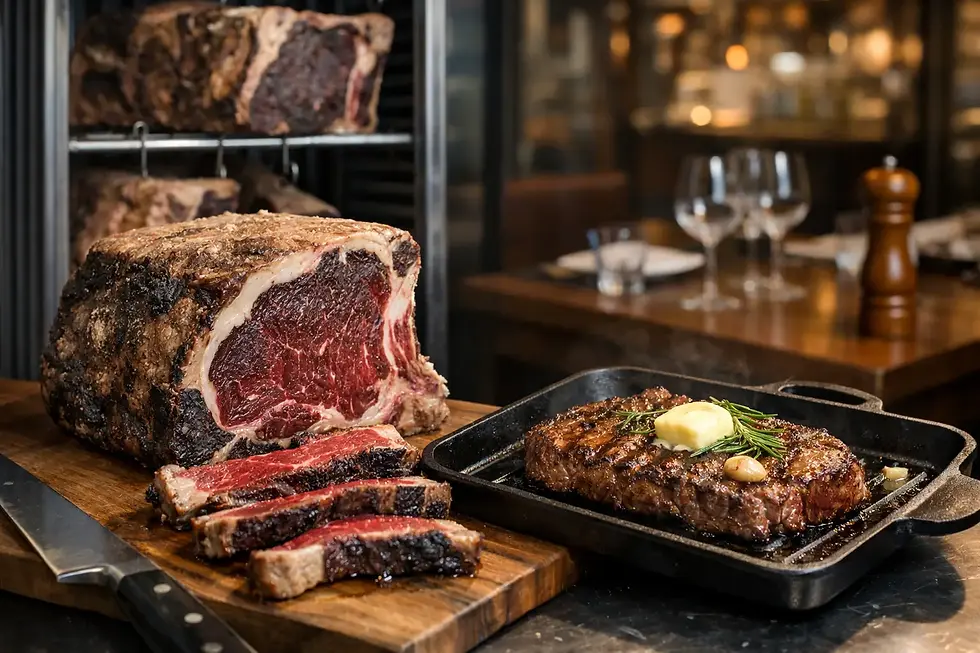
The exact number depends on the menu and on what comes next. If you are ordering a substantial dry-aged steak to share, keep the opening lighter. If the table plans to enjoy several glasses of wine and linger, a broader antipasti selection makes sense. Good service can help you judge portions, so it is always worth telling your server whether you are having a quick dinner, a celebratory feast, or simply wine and small plates.
Begin with one familiar favorite
Choose one dish that gives everyone an easy first bite. This might be a beautiful selection of Italian cured meats, a creamy cheese, or warm grilled vegetables. Familiarity is useful when your guests have different levels of comfort with Italian food. It gives the table a natural starting point without making the meal feel predictable.
A cured-meat board, for example, often delivers several textures and flavors at once. Salumi may range from delicate and buttery to bold and peppery, and they pair naturally with bread, pickles, fruit, or cheese. It is a relaxed choice for a business dinner because it is easy to share while people are still talking.
Add brightness or freshness
Your second choice should wake up the palate. Look for marinated seafood, a tomato-based dish, a crisp salad, or vegetables dressed with olive oil and acidity. Freshness stops the opening course from becoming too heavy, particularly when cheese and charcuterie are already on the table.
This is also where seasonality matters. A restaurant may offer different produce, seafood, or preparations throughout the year. Ask what is especially good that evening. The answer often leads to the dish the kitchen is most excited to serve.
Include one warm or textural plate
A warm antipasto gives the table a change of temperature and aroma. It might be grilled octopus, roasted mushrooms, baked cheese, crisp fritto, or vegetables from the grill. Warm dishes tend to arrive with more immediate fragrance, which makes them especially satisfying once the first cold plates have been shared.
Avoid ordering too many dishes with the same character. Three creamy plates can feel repetitive, just as several fried items can make it difficult to appreciate a delicate first pasta. One rich dish, one fresh dish, and one warm or smoky dish is often a confident formula.
Choose Antipasti Around the Rest of Dinner
Italian menus are designed in courses, but that does not mean every diner needs to follow a strict sequence. Your antipasti should support the rest of your choices.
If pasta is next, favor lighter starters with vegetables, seafood, or sliced cured meats. Let the pasta provide the comforting richness later. If the table is focused on charcoal-grilled steak, choose antipasti with acid, herbs, and clean flavors that will not compete with the beef. A raw seafood dish or a bright vegetable plate can be an excellent prelude to a serious cut of meat.
For an all-antipasti dinner, build in greater range. Include something creamy, something cured or savory, something from the sea, something grilled, and perhaps a bread or fritto element. This creates enough movement across the table that guests can keep discovering new combinations without feeling weighed down.
Be mindful of duplicate ingredients. Burrata followed by another soft cheese may be excessive unless cheese is the purpose of the evening. Octopus and a second seafood plate can work beautifully, but vary the preparation: one raw and citrusy, one grilled and smoky. Ordering is less about rules than rhythm.
Let Wine Guide the First Course
A good bottle can shape your antipasti choices, or your first plates can guide the wine. Either approach works. Start by considering weight and freshness rather than trying to memorize pairings.
Sparkling wine is a welcoming match for fried antipasti, salty cured meats, and creamy cheese. Its acidity refreshes the palate and keeps the first course energetic. A crisp Italian white is especially comfortable with seafood, vegetables, and lighter cheeses. If the table knows it will move toward steak, a medium-bodied red can work with salumi, mushrooms, and grilled dishes, although it may feel too powerful beside delicate raw fish.
When different dishes are arriving at once, versatility beats perfection. A lively sparkling wine or textured white often handles a varied antipasti table more gracefully than a bold red. Then shift wines as the meal moves toward pasta or meat. This is one of the pleasures of dining in stages.
At Divino Restaurants, the service team can help connect the wine list to your table’s appetite and the direction of your dinner. You do not need to know grape varieties to ask for something fresh, food-friendly, and suited to sharing.
A Few Ordering Habits That Make the Table Better
Order for the group, not for individual plates. Antipasti become more enjoyable when everyone can taste a little of everything, and the table feels naturally more social. If a guest has dietary needs or avoids a particular ingredient, mention it early so the selection can be adjusted without making anyone feel singled out.
Do not rush to fill every gap with bread. Good bread is there to support the ingredients, catch a little olive oil, and carry the last bite of a sauce or cheese. It should not become the main event before the meal has properly begun.
Finally, give the kitchen room to pace the courses. It is perfectly reasonable to ask for antipasti first and decide on later courses once everyone has settled in. For a relaxed dinner, that slight pause is often a gift. You can enjoy the first bottle, see how hungry the table really is, and order with more confidence rather than excess.
The most memorable antipasti order is not the largest one. It is the one that makes people reach across the table, trade recommendations, and stay for one more glass because the evening has found its rhythm.


Comments